- Health Data Privacy
- Tips & Guides
Protecting Your Health Data: A Privacy Guide
Your health data is sensitive. Learn practical steps to protect your medical information from breaches and unauthorized access.

Practical Steps to Protect Your Health Information
Health data breaches are increasingly common, with millions of records exposed each year. While you can’t control how healthcare providers protect your data, you can take steps to minimize your risk and protect information under your control.
Understand the Risks
Health data is valuable to criminals because it contains:
- Social Security numbers
- Insurance information
- Personal identifiers
- Information useful for insurance fraud
Unlike credit card fraud, health data theft can take years to discover and resolve.
Secure Your Devices
Your phone and computer may contain health information. Protect them:
Enable device security:
- Use strong passwords or biometric locks
- Enable remote wipe capabilities
- Keep operating systems updated
- Use encrypted storage
Be careful with apps:
- Read privacy policies before downloading health apps
- Limit app permissions to what’s necessary
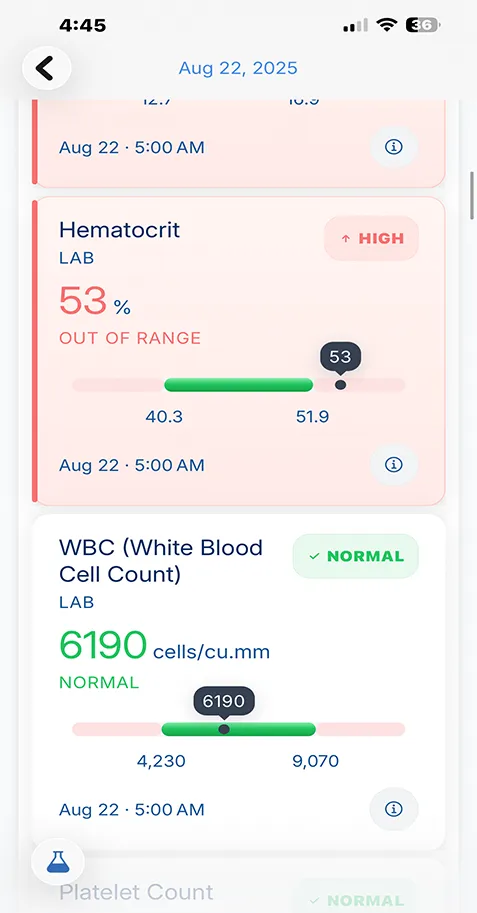
- Choose apps with on-device storage (like VertexMD)
- Avoid apps that sell your data
Protect Your Online Accounts
Patient portals and health apps need strong protection:
- Use unique, complex passwords
- Enable two-factor authentication
- Don’t reuse passwords across sites
- Consider a password manager
Be Careful What You Share
Think twice before sharing health information:
- Social media posts about medical conditions
- Unencrypted emails with health details
- Phone conversations in public places
- Forms asking for unnecessary health information
Review Your Records Regularly
Check your medical records and insurance statements for:
- Treatments you didn’t receive
- Providers you’ve never visited
- Incorrect personal information
- Signs of identity theft
Choose Privacy-First Tools
When selecting health apps, look for:
- On-device storage - Data stays on your phone
- End-to-end encryption - Even the company can’t read your data
- No data selling - Read the privacy policy carefully
- HIPAA-aligned practices - Security standards matter
VertexMD was built privacy-first. Your health data is stored on your device, encrypted with 256-bit AES-GCM, and never leaves your device for AI processing.
What to Do If Your Data Is Breached
If a healthcare provider notifies you of a breach:
- Place a fraud alert on your credit reports
- Consider a credit freeze
- Monitor insurance statements closely
- Report any fraudulent activity immediately
- Keep records of all communications
Take control of your health records—all in one secure app
Store, organize, and understand your medical data with VertexMD. Privacy-first design means your health information stays yours.
50K+



Trusted by families
worldwide